
How to Choose Your Wedding Photographer for 2026
There are a lot of talented photographers out there. And if you’ve been scrolling long enough, it can start to feel like everyone’s work looks good.
After photographing 150+ weddings over the past 5 years—from intimate elopements to weekend-long celebrations across California, Montana, and beyond—I’ve learned this: the difference between “nice photos” and a gallery you’ll still love years from now is rarely about the backdrop. It’s about consistency, calm direction, and what happens when the day gets real—mixed lighting, tight timelines, crowded rooms, and fast-moving moments.
If you’re booking for 2026, here’s a straightforward guide to choosing a photographer you’ll trust completely—so you can be present on the day and confident in what you’ll get back.
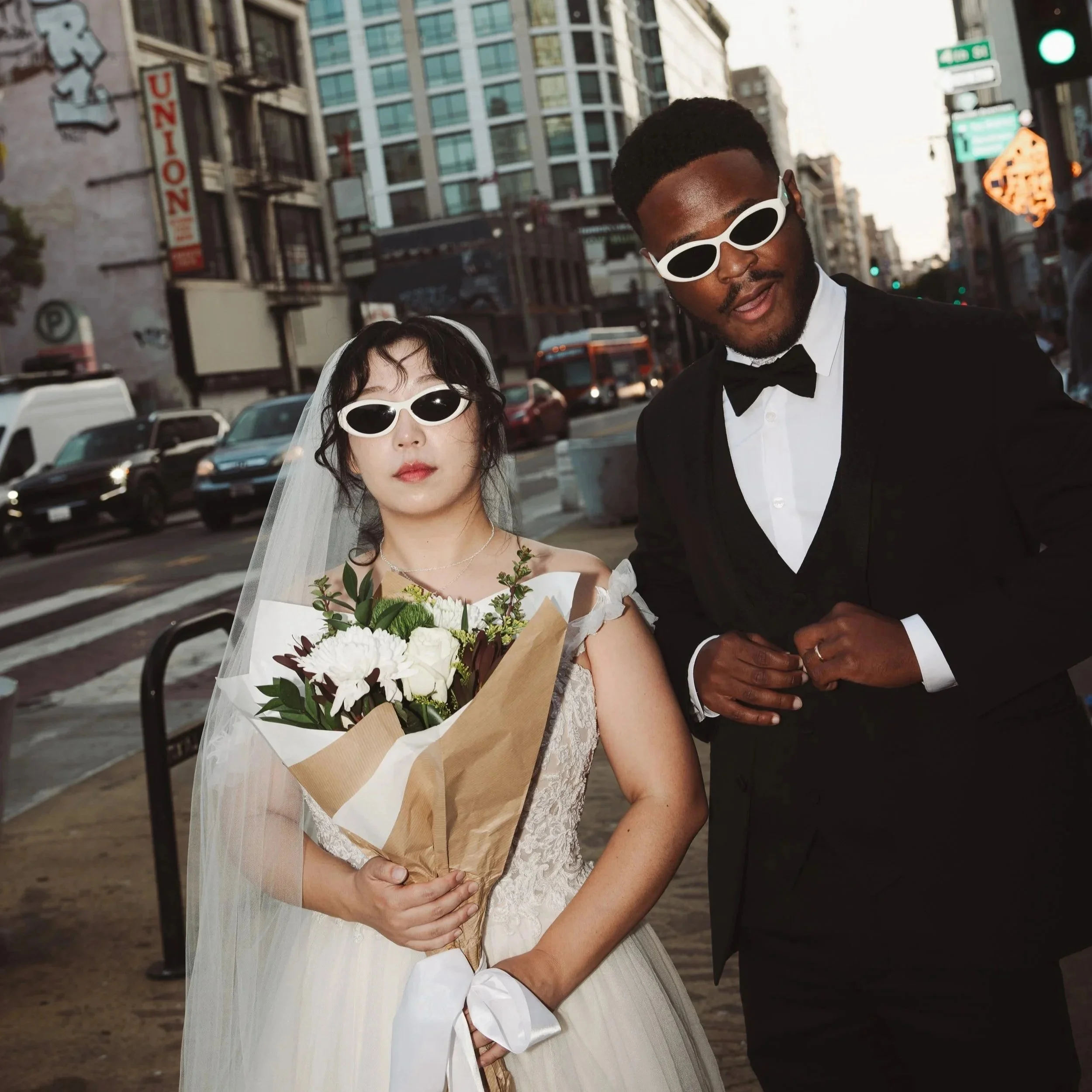
1. Start With the Feeling, Not the Label
Words like documentary, editorial, timeless, and cinematic get thrown around a lot. They can be helpful, but they’re also vague.
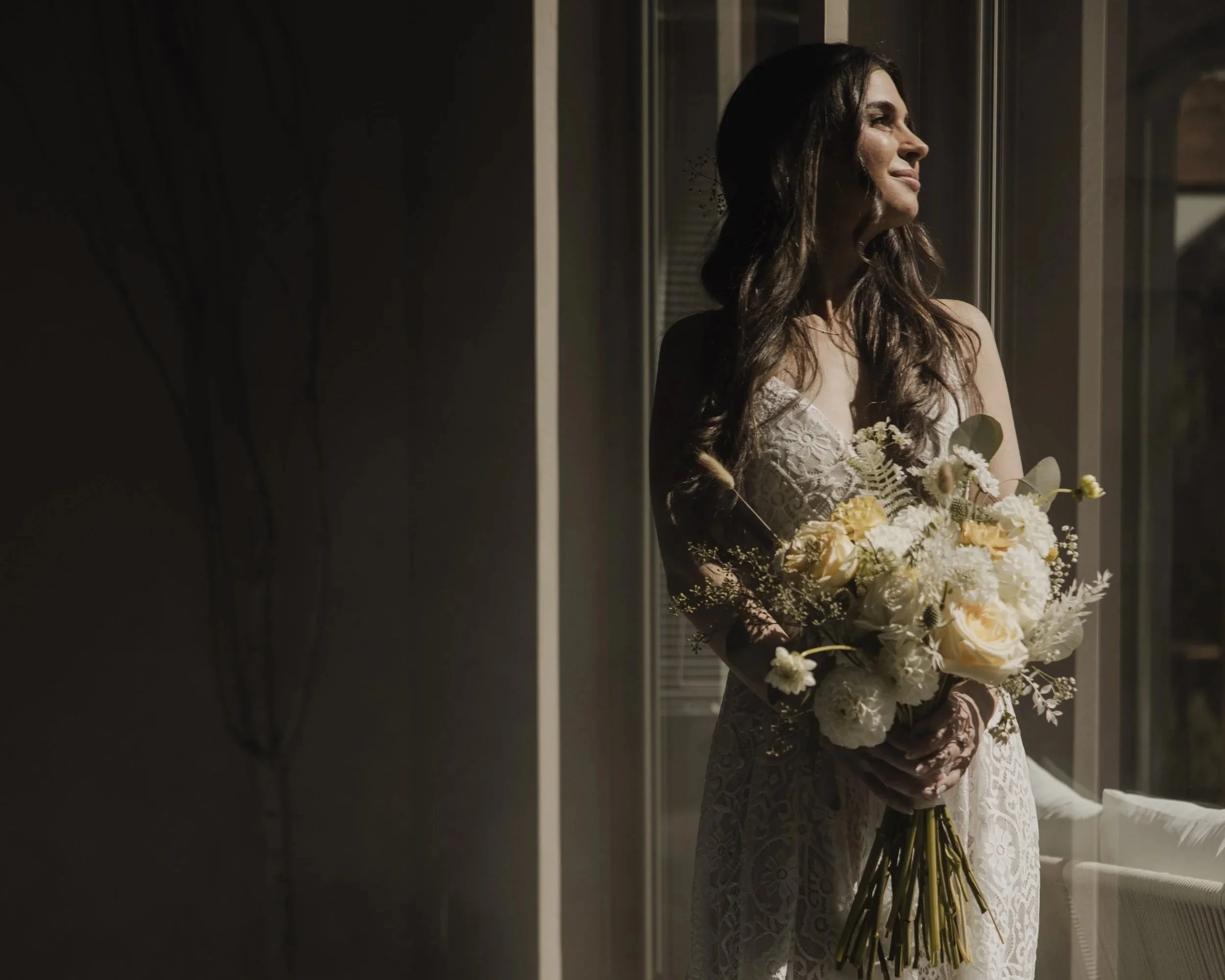
Instead, ask: when you look at a full gallery, do people look like themselves? Do couples look comfortable? Do moments feel lived-in rather than recreated?
Pro Tip: Look for photos with movement and connection—walking, laughing, adjusting a veil, a hand squeeze—because that’s what a wedding day actually feels like.
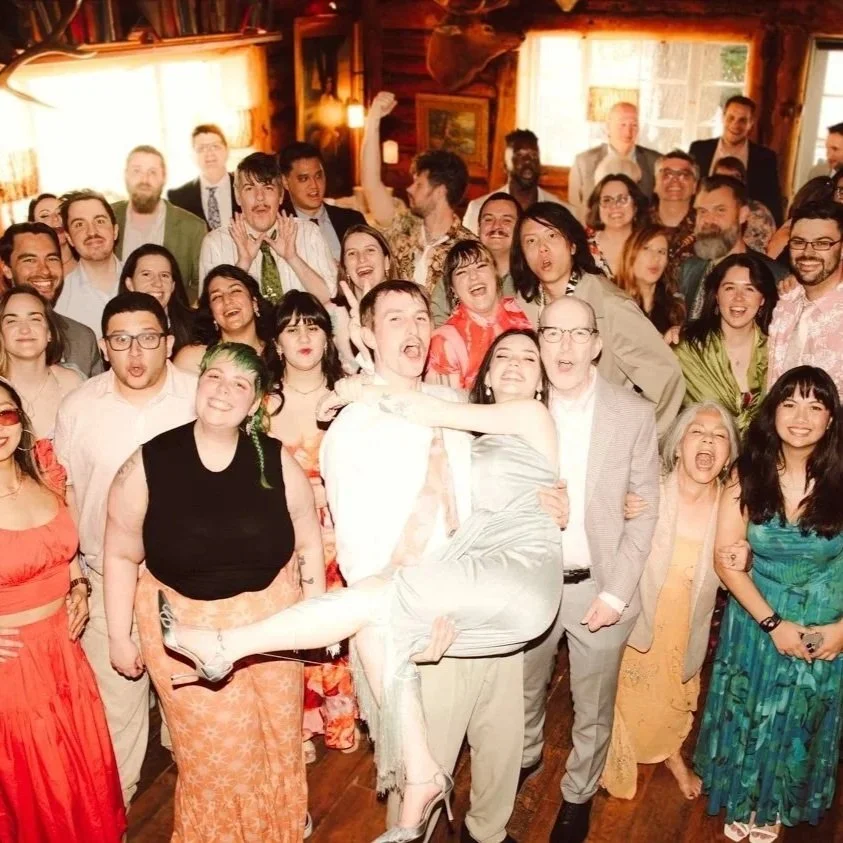
2. Don’t Choose Based on Instagram
Instagram is a highlight reel. The best ten images, from the best ten minutes, in the best light.
A wedding day includes everything else: dim hotel rooms, harsh midday sun, mixed lighting at the reception, fast transitions, and a timeline that rarely runs perfectly.
Pro Tip: Ask to see two full galleries, start to finish. One that includes lots of indoor moments (getting ready + reception), and one that includes outdoor portraits/ceremony. You’re looking for consistency, not just a few hero shots.

3. Consistency Is the Real Flex
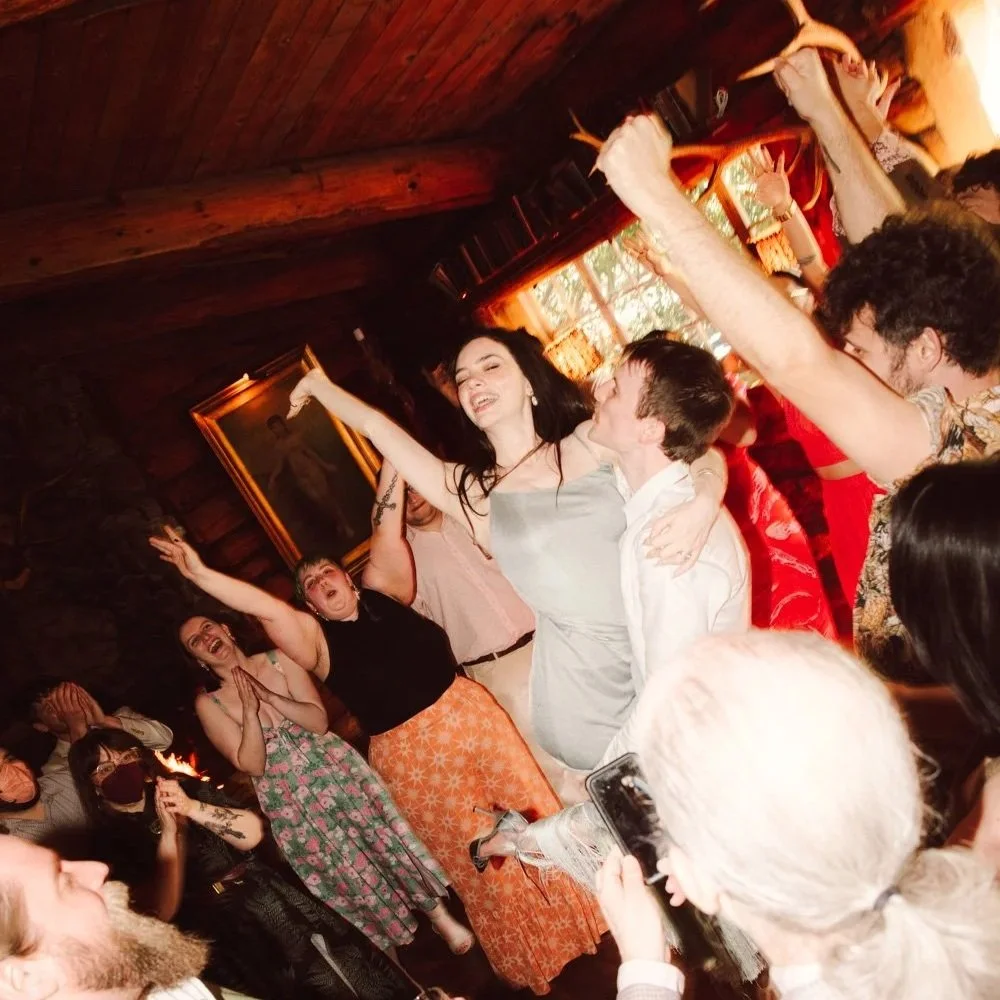
Most photographers can make golden hour look good. What matters is how the work holds up through the hard parts of the day:
Getting ready in a small, windowless room
A midday ceremony with overhead sun
Family photos that need to move quickly
A reception with DJ lights and a dark dance floor
Pro Tip: When you review a gallery, scroll straight to the reception. If the images still look clean—skin tones still feel natural, faces are well-lit, and the energy is there—you’re looking at experience, not luck.
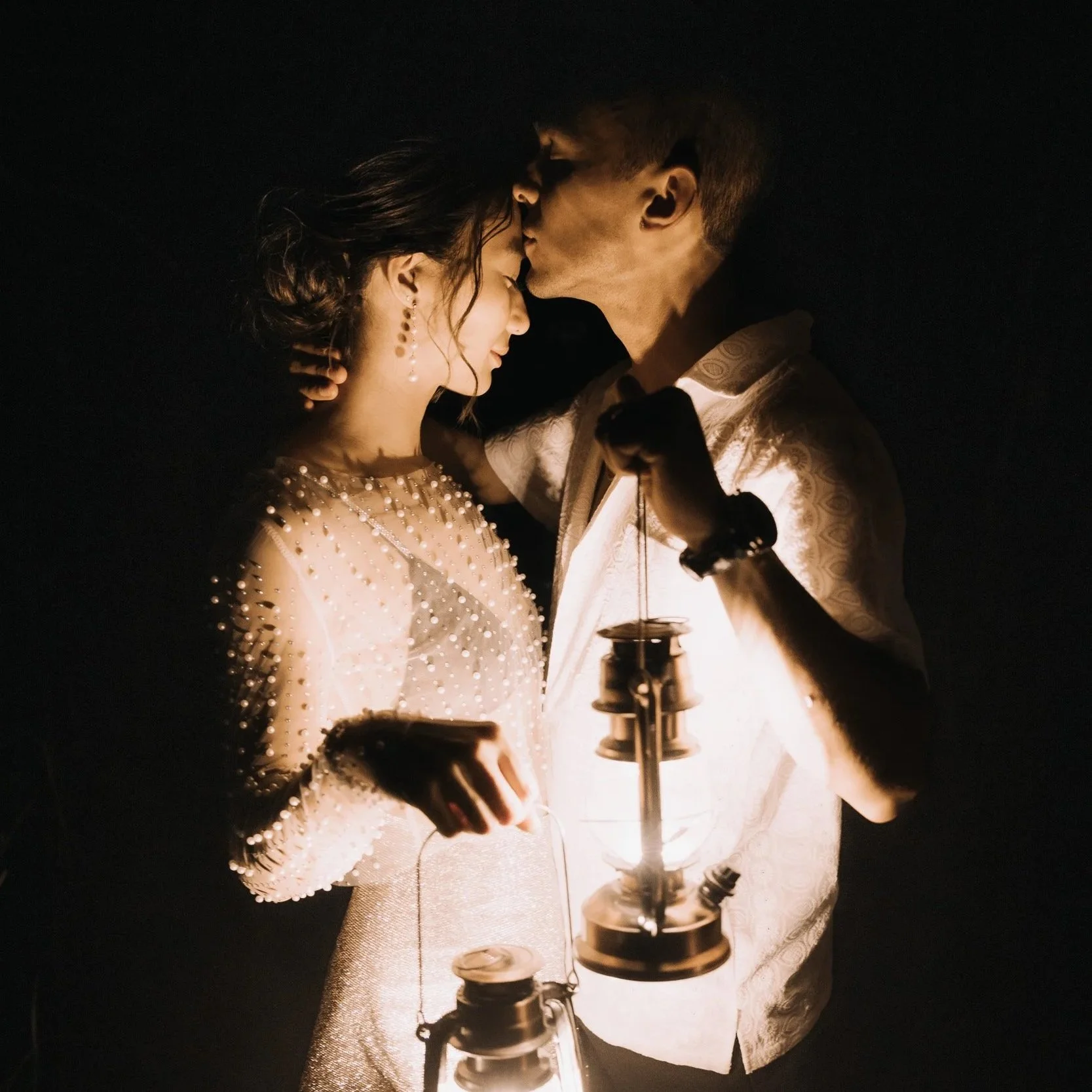
4. Pay Attention to How People Look, Not Just Where They Are
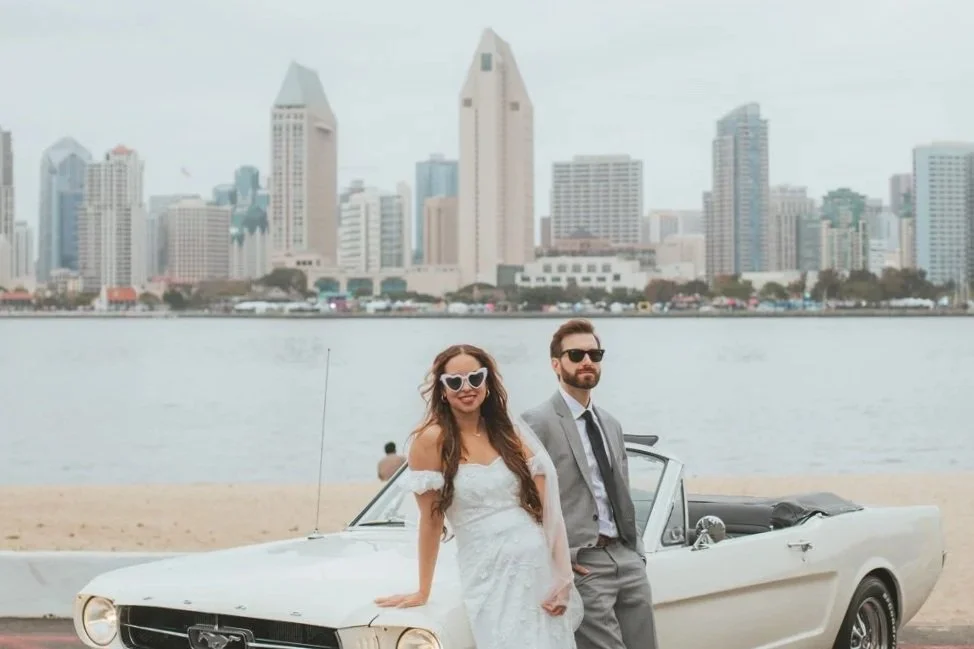
A lot of images look great because the location is great. But your photographer is responsible for the people in the frame—your posture, your comfort, and your energy.
In strong galleries:
couples don’t look stiff
hands look natural
faces look relaxed
moments look like they’re actually happening
Pro Tip: Scan expressions. Do people look at ease? Do couples look connected? That usually tells you more about a photographer than their “style.”
5. Direction Style Matters More Than You Think
Most couples want a balance: space to be themselves, plus a photographer who can step in when needed to shape a few strong portraits. The question is whether that guidance feels like a conversation—or a photoshoot.
Some photographers rely on lots of posing. Others use prompts and light direction so you stay moving and connected. Neither is “wrong,” but one will fit you better.
Pro Tip: Ask your photographer to describe what they do with their hands and voice during portraits. If their answer is clear and calm, that’s a good sign you’ll feel comfortable.
6. Ask Questions That Reveal Experience
Turnaround time and photo count matter, but they don’t tell you what it will feel like to work together—or how your photographer handles pressure.
Here are questions that actually reveal depth:
“Can you show me a full gallery with a dark reception?”
“How do you keep skin tones consistent indoors?”
“What happens if the timeline runs 20 minutes late?”
“How do you handle family photos efficiently?”
“Do you direct with poses, prompts, or a mix?”
“What’s your plan if it rains or the light is harsh?”
Pro Tip: Pay attention to how they answer, not just what they say. You’re listening for a clear process and calm confidence.
7. Understand What You’re Really Paying For
Photography isn’t priced by “pretty images.” It’s priced by the ability to deliver consistently when conditions aren’t perfect.
You’re paying for:
experience anticipating moments before they happen
guidance that keeps portraits natural and efficient
lighting skill in difficult environments
editing that stays consistent across the whole day
a process that supports you before the wedding day arrives
Pro Tip: A photographer with a clear pre-wedding process (timeline guidance, planning support, clear expectations) usually creates a smoother day—and a stronger gallery—because fewer things fall through the cracks.
8. Make Sure You Actually Like Them
This is underrated.
Your photographer is with you more than almost anyone on the wedding day. If their energy adds pressure, it will show in the photos. If their presence is calming, it will show too.
Pro Tip: If you can, get on a call. You should feel heard, not sold to. Comfortable, not performed.
Ready to Book Your 2026 Photographer?
If you’re planning a wedding that’s built around meaning and connection—and you want photos that hold up as a full story (not just a highlight reel)—I’d love to connect.
My 2026 calendar is open, and I take a limited number of weddings each year to keep things personal and hands-on from planning through final delivery.
If your date and venue are confirmed, the next step is simple: inquire here. Share your date, location, and what you’re dreaming up, and I’ll personally reply with availability, my full pricing guide, and a few thoughtful ideas to help shape your photo experience.
FAQ: Choosing a Wedding Photographer for 2026
When should we book our wedding photographer for 2026?
Once your date and venue are locked in, reach out as soon as you can—prime weekends and peak seasons book first.
How many photos should we expect?
It varies by coverage and the pace of the day. More important than a number is consistency, storytelling, and strong delivery in every lighting scenario.
How does film fit into your coverage?
Film is included with every collection I offer. I use it intentionally—especially for portraits and in-between moments where film’s texture and highlight roll-off add depth—then pair it with digital for flexibility in fast-changing light and low-light reception coverage.
What’s the biggest mistake couples make when choosing a photographer?
Booking based on a few highlight images instead of reviewing full galleries and understanding the photographer’s process.
How do we know if a photographer is the right fit?
You love multiple full galleries, you trust their consistency indoors and at night, and you genuinely feel comfortable talking with them.